The Ultimate Winter Driving Guide
Everything you need to know to prep your vehicle, navigate the snow, and share the road safely with plows.
Driving Tips to Keep You In Control
Follow these tips and you'll be steering and stopping instead of slipping and sliding.
You Have to Slow Down
People driving too fast is the main cause of crashes in winter. Slow down.
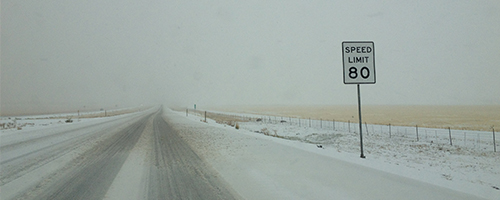
Drive Under the Speed Limit
The posted speed limit is for dry, ideal conditions. If it’s wet, snowy or icy, you should be going under the speed limit.

Avoid Quick Stops, Starts & Turns
Accelerate slowly, brake gently and don’t turn quickly.
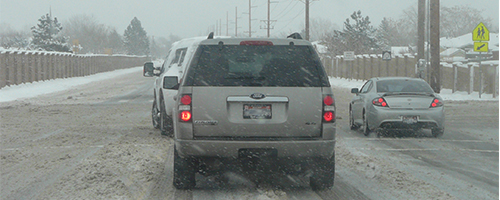
Increase Your Following Distance
You need more distance to safely stop when it’s wet, snowy or icy.
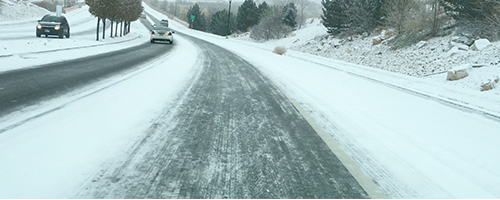
Use Extra Caution Changing Lanes
Snow and slush can form ridges between lanes that can be really slippery and can cause you to lose control. Avoid them if possible.

Always Buckle Up
Crash risk increases in bad weather. Seat belts save lives. Watch a vehicle that rolled multiple times on wet roads but the driver was okay because he was buckled up.
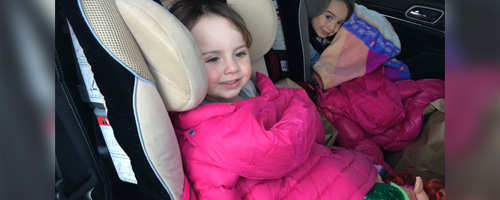
Coats Can Interfere with Car Seats
Place coats or blankets around children once the harness is snug and secure. Watch a video showing how coats affect car seat fit.

4WD & AWD Don't Make You Invincible
They help you go, but they don’t help you stop. And they can create a false sense of security – you still need to SLOW DOWN.
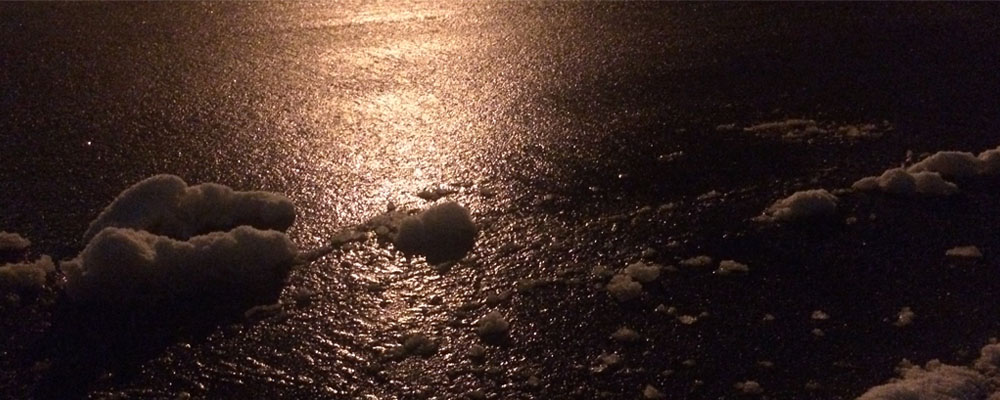
Watch for Black Ice
Black ice looks more like a wet spot than a patch of ice and causes many crashes. Get tips for driving on ice here.
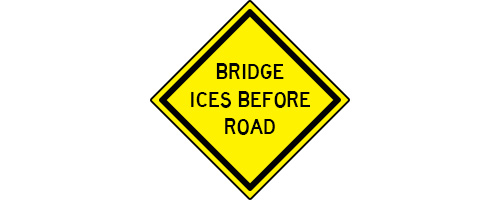
Bridges Freeze First
Use extra caution on bridges – the road on either side may just be wet, but the bridge may be icy.
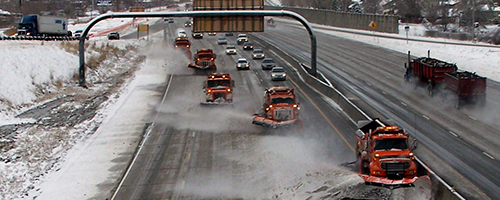
Behind an Active Plow is Safer
If you find yourself behind a snowplow, stay behind it and use extreme caution if you pass. Never pass on the right.
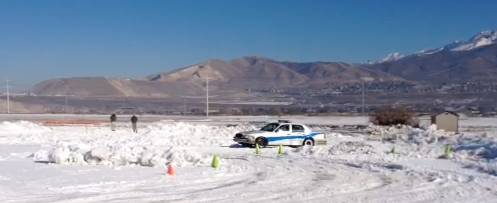
If You Skid, Ease Off & Turn Into It
If you start to skid, ease off the gas and turn in the direction the back of your car is going. Watch a video demonstrating this here.
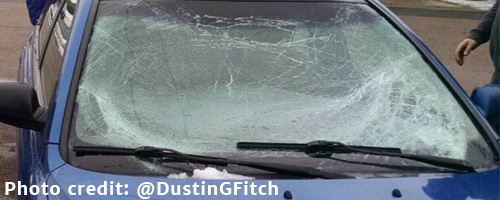
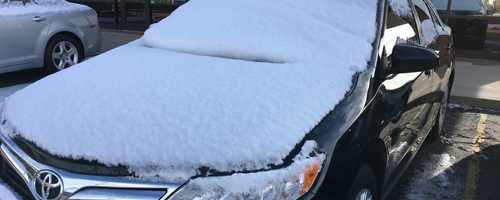
Snow Left on Your Car is Hazardous
If it hardens, it can fly off and cause damage to the vehicles behind you.
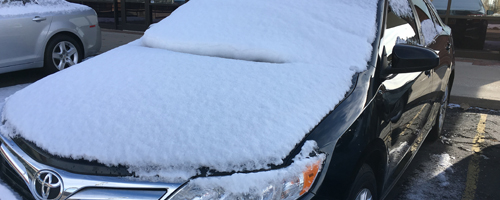
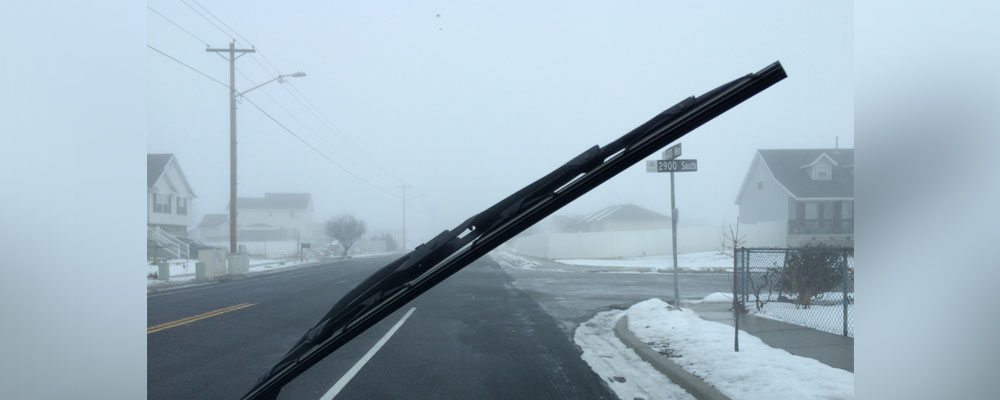
Clear Snow and Ice for Visibility
Clear ALL frost and snow off your windows, headlights, brake lights and signals.

Don't Use Cruise Control
In bad weather, road surfaces and conditions are constantly changing – you need to be in complete control.
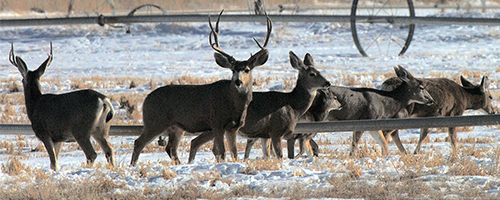
Watch for Deer
They can be more active after storms. Keep your eyes peeled on the shoulders.

Keep Your Gas Tank Close to Full
If you get stuck in a traffic jam or snow, you might need more fuel than you anticipated to get home or to keep warm.
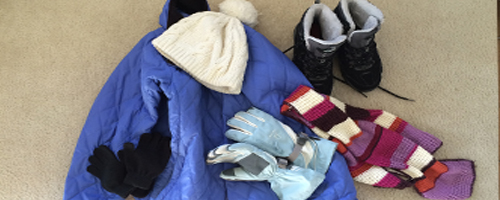
Dress for the Weather
If something goes wrong and you’re stuck, you don’t want to be wearing flip flops and shorts. At least carry winter clothes in your car.
Give Yourself More Time
Traffic will likely be moving slower and if you rush, you really put yourself at risk of crashing.

Stay Home If You Don't Need to Go
If a trip isn’t essential, enjoy the snow with a warm fire and a good book. Or binge watch your favorite show.
Driving Around Snow Plows
Snow plows are here to keep our roads safe and clear. Follow these tips to protect yourself and give our operators the space they need to work.

Don’t Crowd the Plow
They’re here to help – treat them with respect.

Don’t Tailgate & Try Not to Pass
If you really have to pass, use extreme caution and NEVER pass on the right.
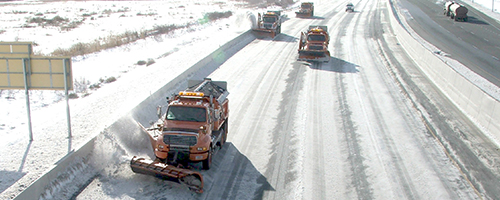
Give Snow Plows Room to Work
They are wide and can cross the center line or shoulder.
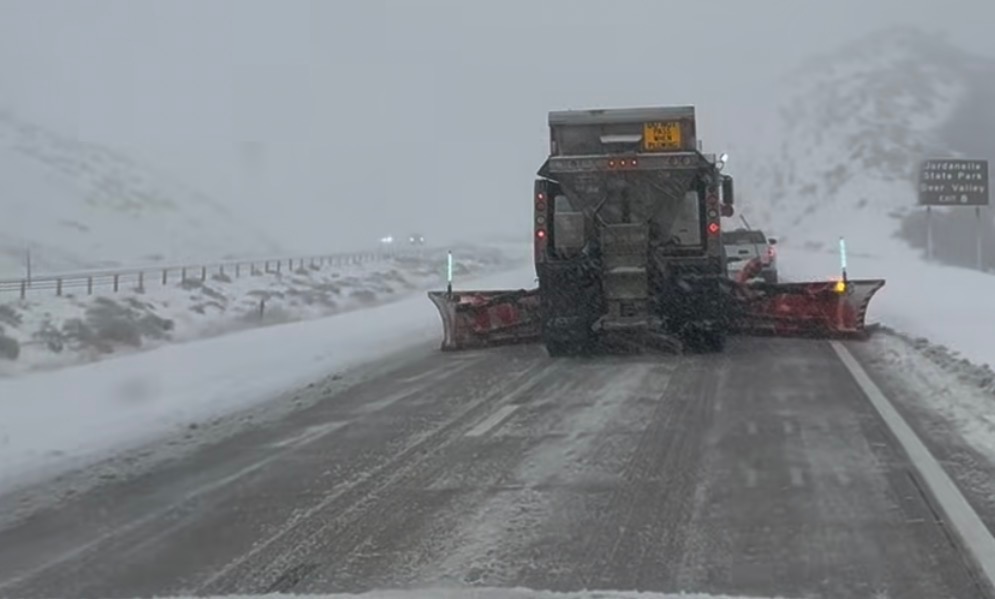
Plows Frequently Stop & Back Up
Stay back and give them plenty of room – you know, don’t crowd the plow.

Stay Back at Least 200 Feet
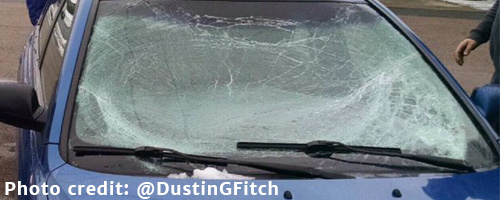
Following a snow plow too closely often results in broken windshields or damaged paint.

Plows Travel Below the Speed Limit
Be patient and allow yourself plenty of space to slow down.